

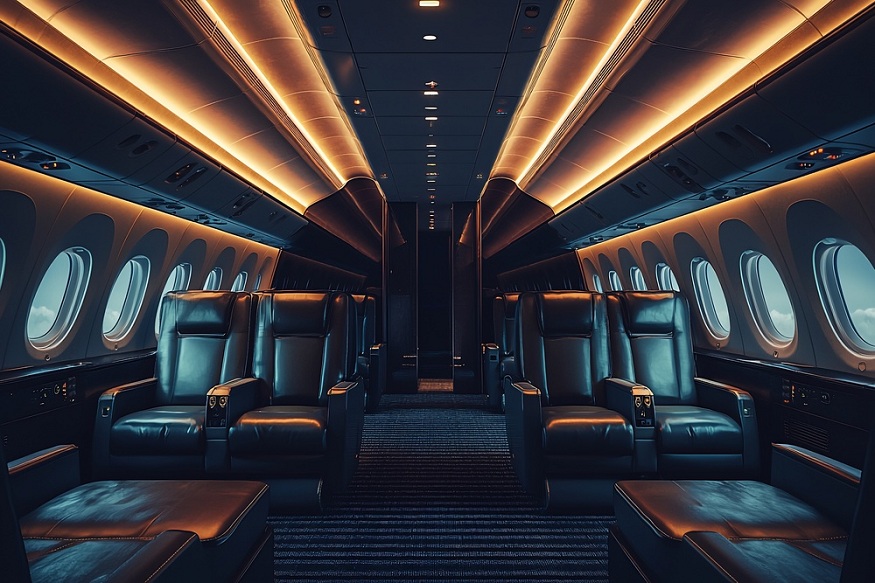
Nobody knows what tomorrow brings. A peaceful region becomes volatile overnight. Storm patterns shift without warning. New technologies pop up faster than anyone can track. VIP aircraft face all these unknowns while carrying people who can’t afford delays or dangers. The teams behind these flying fortresses spend their days planning for problems that don’t exist yet.
Adapting to Security Changes
Bad actors get creative. They study aircraft weaknesses and cook up new ways to cause trouble. So the folks protecting VIP aircraft have to stay three steps ahead. They watch trends from every corner of the globe. They spot patterns before those patterns become problems. Aircraft need layers of defense. Tough shells protect against physical attacks. Electronic gadgets sniff out digital threats. But here’s where things get interesting. Engineers marry old-school armor with brand-new sensors. Time-tested steel meets artificial intelligence that notices when something feels off.
Aviation ballistic protection shows how far we’ve come. Innovators like LifePort have created armor that weighs less than your grandmother’s china cabinet but stops serious threats cold. These shields disappear into plush interiors. Passengers sip champagne in leather seats, blissfully unaware of the protection surrounding them. Each year brings stronger materials that weigh even less.
Read More: How the Absolute 52 Fly successfully blends Italian design-with-sustainble-innovation
Technology Integration for Tomorrow
New gadgets hit the market every month. VIP aircraft can’t swap out equipment like you change phone cases. Installing fresh tech in a flying machine takes serious planning. Engineers guess which innovations will matter five years out. Then they build aircraft ready to accept those future systems.
Consider communication equipment. Today’s lightning-fast connection becomes next year’s dial-up. Smart designers create swap-friendly systems. Pull out the old box. Slide in the new one. Everything connects without ripping apart half the aircraft. Computers already whisper suggestions to pilots. Tomorrow’s machines will practically read minds. They’ll spot engine hiccups before anything breaks. They’ll find smooth air when everywhere else looks bumpy. VIP aircraft built today need bones strong enough to support these future brains.
Environmental and Regulatory Shifts
Politicians love changing aviation rules. One day you’re flying fine. Next day your aircraft violates three new regulations. Emissions limits drop lower. Noise complaints multiply. VIP aircraft that can’t adapt become expensive paperweights. Alternative fuels offer an escape route. Planes using varied fuels will do well as regulations increase. Tomorrow’s VIP flights might be battery powered. Maybe something nobody’s thought of yet. Sharp operators already modify aircraft to handle multiple fuel types. They experiment now rather than scramble later.
Quieter engines open more doors. Or should we say runways? Hushed aircraft slip into airports near downtown offices. Better soundproofing lets passengers whisper secrets while flying over populated areas. These improvements take years to develop and install.
Building Flexibility Into Design
Flexibility beats prediction every time. Nobody really knows what’s coming, so VIP aircraft need to bend without breaking. Cabins that rearrange like puzzle pieces. Mounting points that accept any equipment. Electrical systems with power to spare. Weight matters enormously up there. Engineers deliberately leave payload uncommitted. They string empty conduits for future wires. They beef up structures to carry tomorrow’s mystery equipment. Some call this overkill. Others call it insurance. Space is gold in aircraft. Yet smart designers leave gaps for future additions. They know that empty corner might house next year’s must-have safety system. That blank panel could display information systems we can’t imagine today.
Read More: Plan Romantic Getaways with a Luxury Cruise Travel Agent
Conclusion
The future refuses to send advance notice of its plans. VIP aircraft must stay nimble enough to roll with whatever comes. Winners will achieve reliable strength and adaptive flexibility. New challenges and opportunities arise annually. To ensure safety, aircraft must evolve faster than emerging threats.